Unlocking Creativity With Facts
As a fiction writer, your brain is a treasure trove of creativity, imagination, and storytelling prowess. But what if I told you that diving into the world of non-fiction can unexpectedly enhance your writing? Buckle up because we’re about to explore how non-fiction can be your secret weapon for crafting compelling narratives.
Beyond the Topic: Expanding Your Toolkit
When you crack open a non-fiction book, you’re not just absorbing facts about a specific subject. You’re also acquiring an arsenal of writing tools. Your characters can only know what you know, so reading non-fiction is like adding extra layers to your creative process.
Here are some topics to explore:
- History: Dive into historical accounts, biographies, or even obscure events. The past holds rich tapestries of human experiences waiting to inspire your characters.
- Science: From quantum physics to marine biology, scientific discoveries can spark fresh ideas. Imagine your detective unraveling a murder mystery based on their specialized knowledge of soil composition.
- Psychology: Understand the human mind — its quirks, fears, and motivations. Non-fiction psychology books provide insights into character development and behavior.
- Culture: Explore different cultures, traditions, and rituals. These nuances can breathe life into your fictional worlds, create formidable characters, and help you avoid stereotypes.
Reading Body Language: Show, Don’t Tell
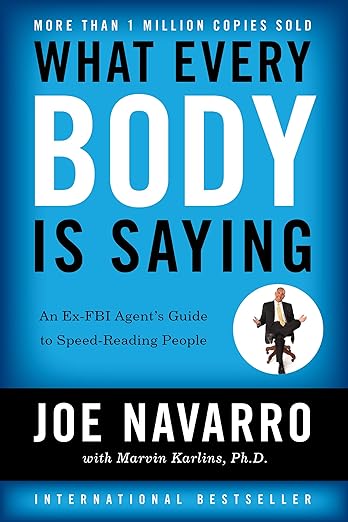
Former FBI agent Joe Navarro knows a thing or two about body language. His books, like “What Every BODY Is Saying,” reveal how non-verbal cues convey emotions and intentions. As a writer, use body language to show what your characters think and feel. Instead of saying, “She was nervous,” describe her clenched fists, darting eyes, and rapid breaths.
Remember, the best writing doesn’t tell; it shows.
The Art of Deception: Slight of Hand and Diversions

Richard Wiseman, a magician, and psychologist, has written over a dozen books about human nature, psychology, and magic. What can a writer learn from a magician’s tricks? Criminals often use redirection—misdirection—to achieve their goals. Apply this concept to your writing. What lies at the heart of deception? Taking control of your audience’s attention and directing it away from what you’re hiding. Craft plot twists that leave readers gasping, just like a master illusionist.
The Language of Liars: Distancing, Deflection, and More
Deception reveals fascinating patterns. When people (and characters) lie, they employ various tactics:
- Distancing: Creating emotional or physical space.
- Answering a Different Question: Shifting focus.
- Turning Questions Around: Posing counter-questions.
- Changing the Subject: Diverting attention.
Incorporate these subtle maneuvers into your dialogue. Let your characters dance on the edge of truth and deceit.
Where Would You Hide? Unconventional Settings for Crime

Forget the clichéd dark alleys and abandoned warehouses. Non-fiction can inspire unique settings. Consider “The Burglar’s Guide to the City” by Geoff Manaugh. It explores architecture and urban planning through the lens of crime. How can society’s infrastructure become a canvas for your characters’ misdeeds? Perhaps a heist in a futuristic subway system or an art theft during a high-society gala.
The Storytelling Brain: Emotions, Memory, and Sensory Language

“The Storytelling Animal” by Jonathan Gottschall delves into how our brains process stories. Emotions and memory play pivotal roles. Use sensory language—sights, sounds, smells—to immerse readers. When your protagonist walks through a rain-soaked alley, evoke the dampness, the echo of footsteps, and the scent of decay. Your readers will stay glued to the page.
Character Research: Indulge in Their Passions
What would your characters research? Whether it’s ancient artifacts, cryptids, or culinary secrets, let them dive deep. Their passions will fuel your plot. Imagine a detective obsessed with deciphering lost codes or an artist unearthing forgotten masterpieces. Research isn’t just for you; it’s for your characters’ growth.
In the end, non-fiction isn’t just a source of facts and figures; it’s a goldmine for your imagination and the unexpected mentor that guides you through the intricacies of the real world, enriching your narratives with authenticity and depth. Let new ideas challenge and expand your creative horizons, and watch as your characters come to life with newfound vibrancy. Remember, every page of non-fiction turns the gears of your writer’s brain, equipping you to craft stories that resonate with truth and human experience.
 Indie Writer Pro
You must be logged in to post a comment.